

Mastering Vertical Drama: Oversized Canvas Art for High Ceilings
High ceilings create a sense of grandeur and openness that few architectural features can match. Yet they also present a unique design challenge: vast vertical expanses that can make standard-sized artwork appear insignificant or leave walls feeling cold and unfinished. The solution lies in thoughtfully chosen Oversized canvas art. Large-scale hand-painted canvases, vertical compositions, multi-panel arrangements, and custom pieces transform towering walls into powerful focal points that celebrate height rather than fight against it.
This comprehensive guide explores why oversized canvas art excels in high-ceiling spaces, how to select the right size and style, placement strategies, popular approaches for different rooms, installation tips, current trends, and practical care advice. Whether your home features 10-foot ceilings, soaring 14-foot great rooms, or dramatic vaulted spaces, the right oversized canvas can turn architectural height into a design asset.
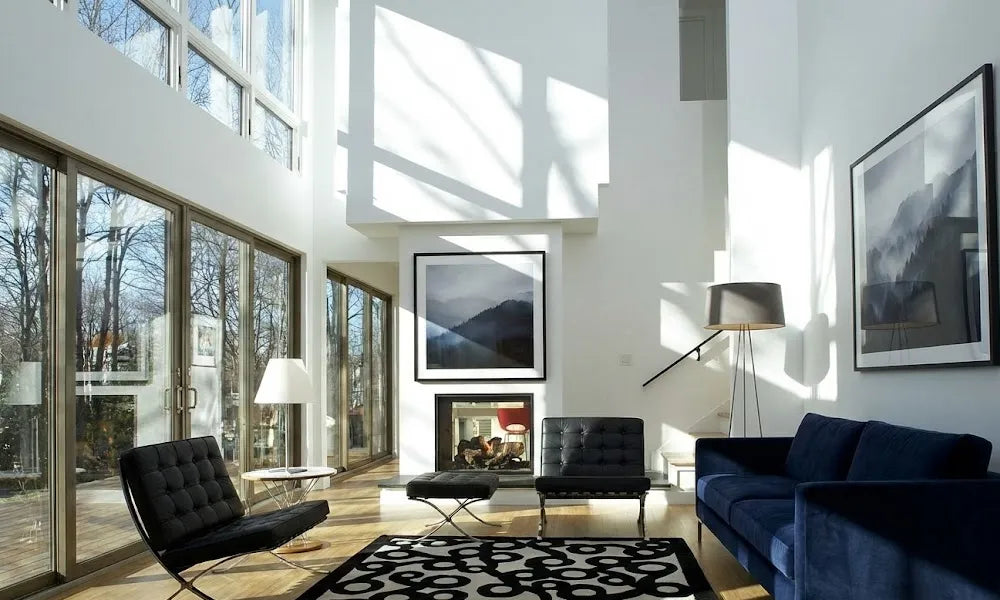
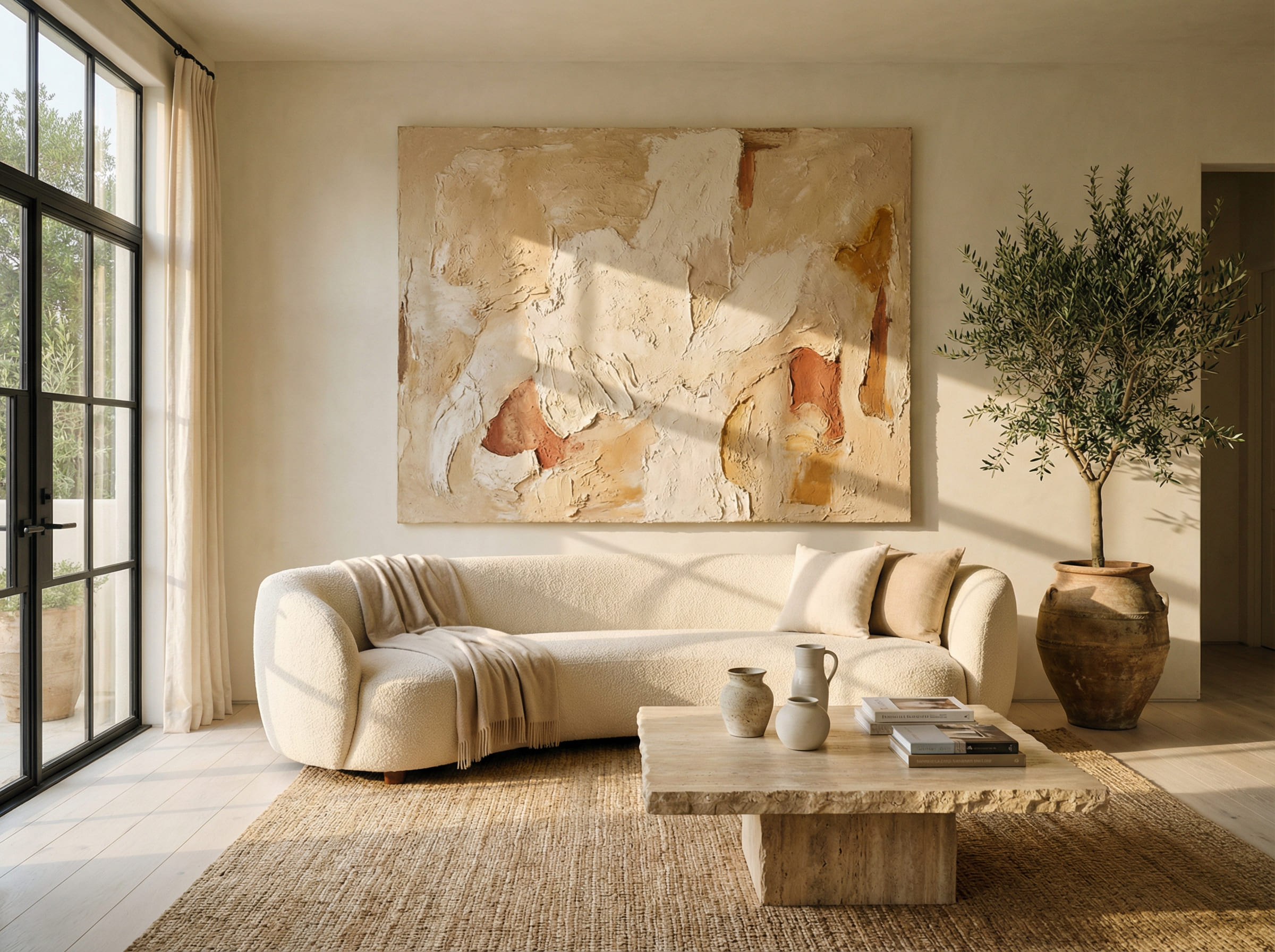
Why High Ceilings Demand Oversized Canvas Art
Standard 8- or 9-foot ceilings allow smaller works to hold their own. In rooms with 10-foot or higher ceilings, however, the empty vertical space above furniture or along feature walls can easily overwhelm modest pieces. Design experts consistently recommend starting with artwork at least 48 inches on the longest side for tall walls, with many high-ceiling applications calling for 60-, 72-, or even 90-inch-plus canvases.
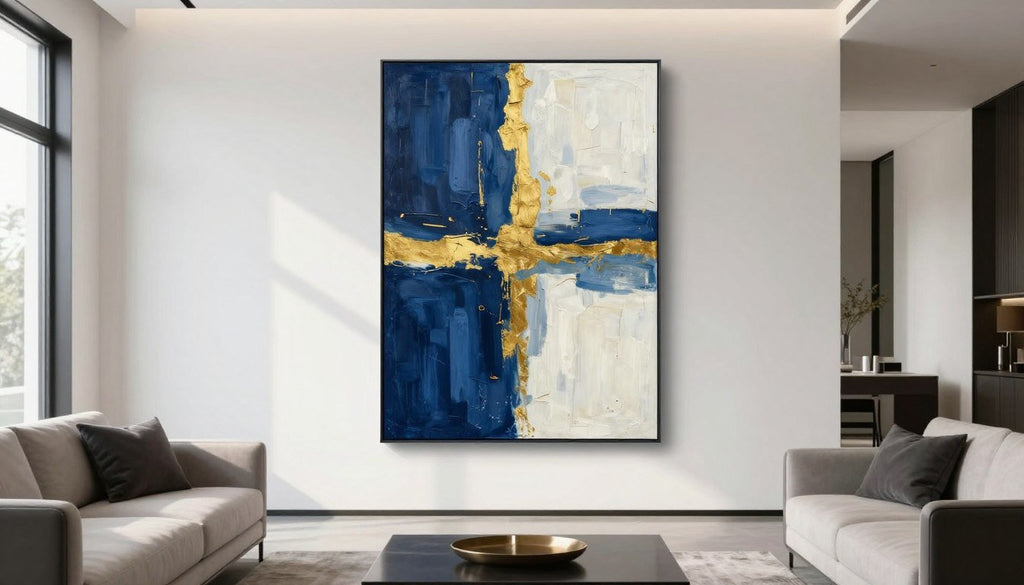
Oversized canvas art solves multiple problems at once. It fills visual voids, draws the eye upward to emphasize height, adds texture and color that ground the space, and creates proportion that feels intentional rather than accidental. Hand-painted abstracts, in particular, offer rich surface interest—impasto layers, metallic accents, or gestural strokes—that reward both close viewing and distant appreciation from across a large room.
According to resources on wall art for high ceilings, large-scale pieces form one of the seven boldest moves for tall walls. Guides focused on choosing wall art based on ceiling height and professional advice on large wall art for tall walls specifically advise prioritizing pieces 48 inches or larger for 10- to 12-foot ceilings and even more vertical emphasis for vaulted spaces.
Understanding Scale: Size Guidelines for High Ceilings
Successful oversized canvas art begins with accurate measurement and proportion rules tailored to height.
Core Sizing Principles
- The 48-Inch Minimum Rule: For tall or wide walls, artwork should measure at least 48 inches on its longest side. Smaller pieces risk looking lost. As outlined in professional interior guidance on choosing large wall art, canvases in the 60- to 72-inch range often work best for high ceilings, while multi-panel sets or 72-inch-plus pieces suit great rooms and 10-foot-plus walls.
- Furniture-Related Proportions: Above sofas, consoles, or beds, aim for art that spans two-thirds to three-quarters of the furniture width—the classic guideline also used for standard rooms. In high-ceiling living rooms this frequently means 60–90 inch wide pieces.
- Vertical Emphasis: High ceilings favor taller vertical formats or elongated multi-panel arrangements that climb the wall. Horizontal panoramas still work above long seating, but vertical or square-to-tall orientations better exploit the available height.
- Coverage Targets: On blank tall walls, many designers target covering a substantial portion of the height while leaving breathing room near the ceiling (typically 6–12 inches or more) and relating the bottom edge to furniture or eye level.
Ceiling height categories help refine choices:
- 10–12 foot ceilings: Pieces 48–72+ inches; vertical formats excel.
- Vaulted or 12+ foot ceilings: Larger single pieces or multi-panel installations that create a strong vertical presence.
- Great rooms and open volumes: Custom oversized canvases or coordinated sets that can reach 80–100+ inches.
Custom sizing available from specialists in hand-painted large canvases allows exact matching to your wall dimensions and furniture.
Best Styles of Oversized Canvas Art for Tall Spaces
Not every large canvas works equally well with high ceilings. Certain styles amplify the drama of height:
Textured Abstract Expressionism: Thick paint, layered impasto, and gestural marks create depth that reads beautifully from a distance and up close. These pieces catch shifting light throughout the day.
Vertical Geometric and Minimalist Works: Clean lines and tall proportions reinforce architectural height without visual clutter.
Bold Color-Blocked or Metallic Accents: Strong color fields or gold/silver leaf draw the eye upward and add luxury that balances expansive white or neutral walls common in modern high-ceiling homes.
Multi-Panel and Diptych/Triptych Sets: These offer flexibility for very tall or irregular walls and create dynamic rhythm as the eye travels between panels.
Landscape or Atmospheric Abstracts: Soft horizons or vertical cascades of color can make tall rooms feel more intimate or expansive depending on palette. Cool tones calm lofty volumes; warm or high-contrast pieces inject energy.
Placement Strategies That Maximize High Ceilings
Hanging height and composition are critical.
- Center the main visual weight of the artwork around traditional eye level (57–60 inches from the floor) when possible, then allow taller elements to rise above. In very high rooms, some designers raise the center slightly higher so the piece engages the full volume.
- Leave 6–12 inches above major furniture pieces. For free-standing walls, ensure the top of the canvas does not crowd the ceiling line.
- Create vertical gallery walls by stacking or staggering works of varying sizes, always starting with a large anchor piece.
- Use lighting strategically: wall washers, picture lights, or track systems that illuminate tall canvases without glare. Natural light from clerestory windows or tall glass can beautifully enhance textured surfaces.
- Balance heavy visual weight with furniture placement and lower-level accessories so the room feels grounded rather than top-heavy.
Room-by-Room Recommendations
Living Rooms and Great Rooms: Horizontal or panoramic oversized canvases above long sofas, complemented by vertical pieces on adjacent tall walls. Multi-panel sets shine here.
Entryways and Foyers: Tall vertical canvases or stacked arrangements that greet visitors and draw the eye upward immediately.
Stairwells: Vertical sequences or continuous multi-panel works that follow the rising line of the stairs.
Dining Rooms: Large horizontal or square pieces above sideboards, with enough height to feel substantial against tall ceilings.
Bedrooms: Softer, more vertical abstracts above headboards to create a cocooning yet elevated effect without overwhelming restfulness.
Home Offices and Libraries: Geometric or monochromatic oversized works that maintain focus while filling tall bookcase walls or empty vertical space.
Installation, Safety, and Practical Considerations
Oversized canvases for high ceilings are often heavy. Professional installation is recommended for pieces over a certain weight or when working near tall ceilings. Use heavy-duty hangers, locate studs, and employ multiple mounting points. For multi-panel works, precise leveling and consistent spacing are essential.
Many high-quality large canvases ship rolled for protection and ease of transport, then are stretched or framed on-site. Confirm shipping methods and whether gallery-wrap (image continuing around the sides) or traditional framing best suits your aesthetic.
Current Trends in Oversized Canvas Art for Elevated Spaces
In 2026, textured hand-painted abstracts remain dominant. Neutral palettes with metallic accents provide sophistication, while bold colors energize open volumes. Custom commissions that match exact wall proportions and light conditions are preferred. Vertical and multi-panel systems offer flexibility for tall walls.
Common Mistakes to Avoid
- Selecting pieces that are still too small for the vertical volume.
- Hanging everything at standard eye level without considering the full height.
- Ignoring the relationship between art scale and furniture scale.
- Neglecting lighting, which is especially important when art sits higher on the wall.
- Choosing frames or finishes that clash with the architecture of a tall space.
The Advantage of Custom Oversized Canvas Art
Ready-made large works are widely available, yet custom hand-painted canvases allow perfect dimensional fit, color matching to your specific interiors, and unique texture. Specialists focused on large original abstract paintings can create pieces that fill awkward tall walls or exactly complement architectural features. Lead times are typically reasonable, and free worldwide shipping with protective packaging is common.
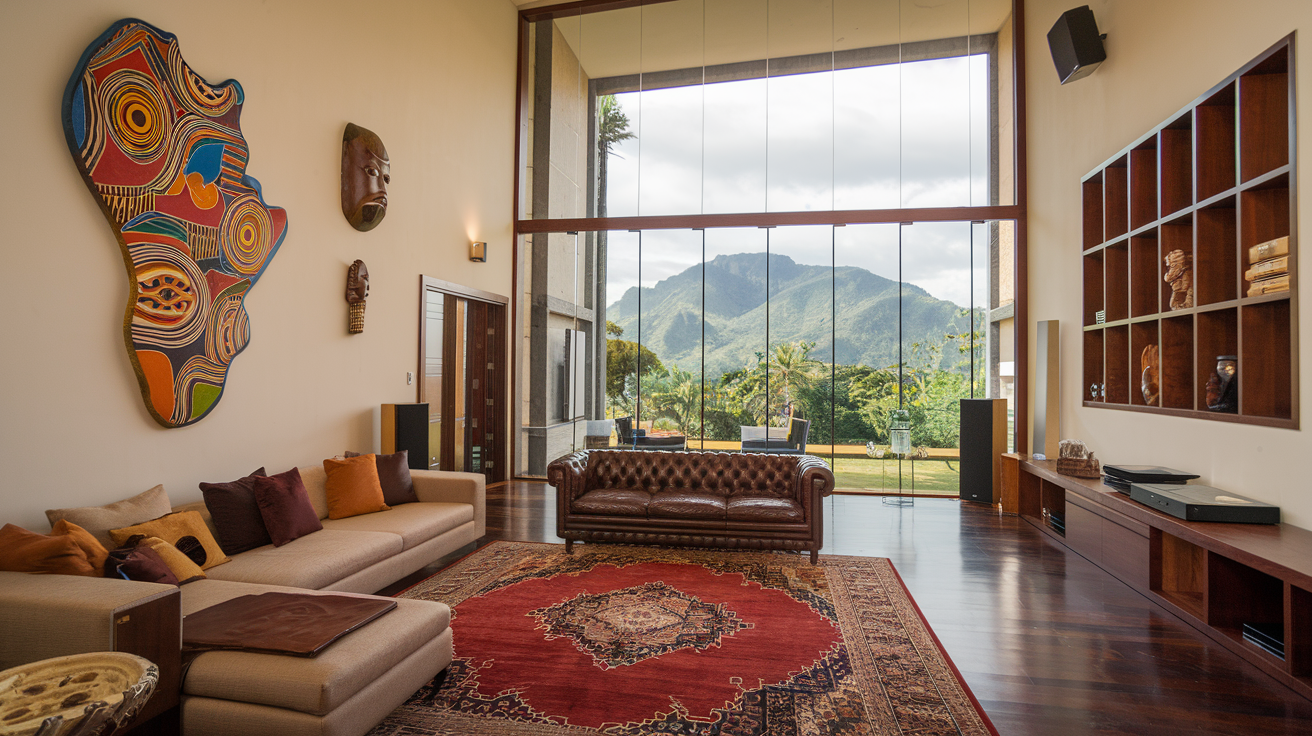
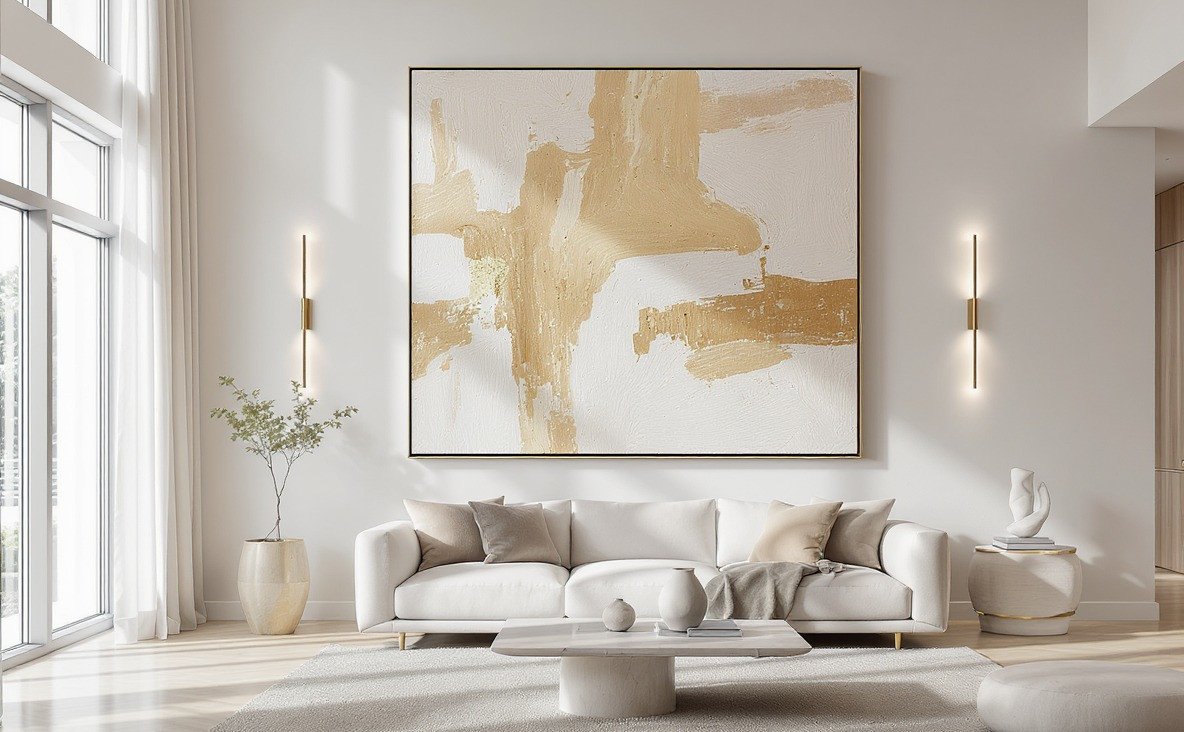
:strip_icc()/GettyImages-961913012-c2692d5edd414e37a79ff749dc00fdf0.jpg)
Conclusion
High ceilings are a luxury that deserve equally elevated art. By choosing properly scaled Oversized canvas art—whether a single monumental abstract, a dramatic vertical composition, or a coordinated multi-panel installation—you transform empty vertical space into the defining feature of the room. Measure carefully, follow proportion guidelines, prioritize quality hand-painted materials, and select styles that enhance rather than compete with your architecture.
The result is a space that feels balanced, intentional, and truly grand. Tall walls stop being a challenge and become one of your home’s greatest design opportunities.
Frequently Asked Questions (FAQ)
Q: How large should oversized canvas art be for high ceilings? A: Start with a minimum of 48 inches on the longest side. For most 10–12 foot ceilings, 60–72 inch pieces or larger work well. Vaulted or great-room walls often benefit from 72–100+ inch works or multi-panel sets. Always relate size to both wall dimensions and furniture.
Q: Should I choose vertical or horizontal oversized canvas art for tall ceilings? A: Vertical or tall formats generally better exploit high ceilings by drawing the eye upward. Horizontal pieces still excel above long sofas or furniture, while multi-panel arrangements offer the best of both worlds.
Q: What is the best hanging height for large art on high walls? A: Center the primary visual weight near 57–60 inches from the floor when possible. In very tall rooms you may raise this slightly. Keep 6–12 inches of space above furniture and avoid crowding the ceiling line.
Q: Can multi-panel canvas art work better than a single large piece on high ceilings? A: Yes. Multi-panel (diptych, triptych, or more) sets provide flexibility for tall or irregular walls, create visual rhythm, and are often easier to handle and hang than one enormous canvas.
Q: How do I light oversized canvas art hanging high on a wall? A: Use dedicated picture lights, adjustable track lighting, or wall-wash fixtures. Aim for even illumination that highlights texture without creating glare or harsh shadows. Natural light from tall windows is an excellent complement.
Q: Are hand-painted oversized canvases better for high ceilings than prints? A: Hand-painted textured canvases offer superior depth, light interaction, and uniqueness that large empty walls demand. High-quality prints can work, but original painted surfaces generally deliver more presence and longevity.
Q: How long does custom oversized canvas art typically take? A: Many specialists complete hand-painting in a few days and ship within 9–12 days total (including transit). Custom size quotes are usually provided quickly. Confirm timelines and shipping protection when ordering.
Q: Where can I find high-quality oversized canvas art suitable for high ceilings? A: Seek specialists in large hand-painted abstract and original canvas paintings that offer custom sizing, textured finishes, and pieces designed for substantial walls. Canvashi specializes in exactly this category of oversized and custom large canvas art.
With the right oversized canvas art, high ceilings become one of the most exciting design opportunities in your home. Measure, plan, choose quality, and enjoy the dramatic results for years to come.