

Summer 2026 Art Preview: Spectacle, Land, and Innovation in the Season’s Must-See Exhibitions and Biennials
As the days grow longer and cultural calendars fill with anticipation, summer 2026 promises an art season defined by grand spectacle, profound reflections on land and identity, and bold experiments with technology and perception. Museums and biennials worldwide are rolling out ambitious programming that invites viewers to engage with big ideas—quantum physics made visible, monumental sculptures reshaping public space, and retrospectives that reframe canonical artists for new generations. Whether you’re planning a European grand tour, a U.S. road trip, or virtual exploration from afar, this season offers something for every art lover.
The overarching theme, as noted in leading previews, revolves around spectacle in its many forms. Artists are creating immersive environments that blur the boundaries between art, science, and everyday life. At the same time, a renewed focus on land, history, and Indigenous perspectives underscores how contemporary art grapples with environmental and cultural legacies. With the Venice Biennale still on view through November, travelers have extra incentive to combine multiple stops on their summer itineraries.
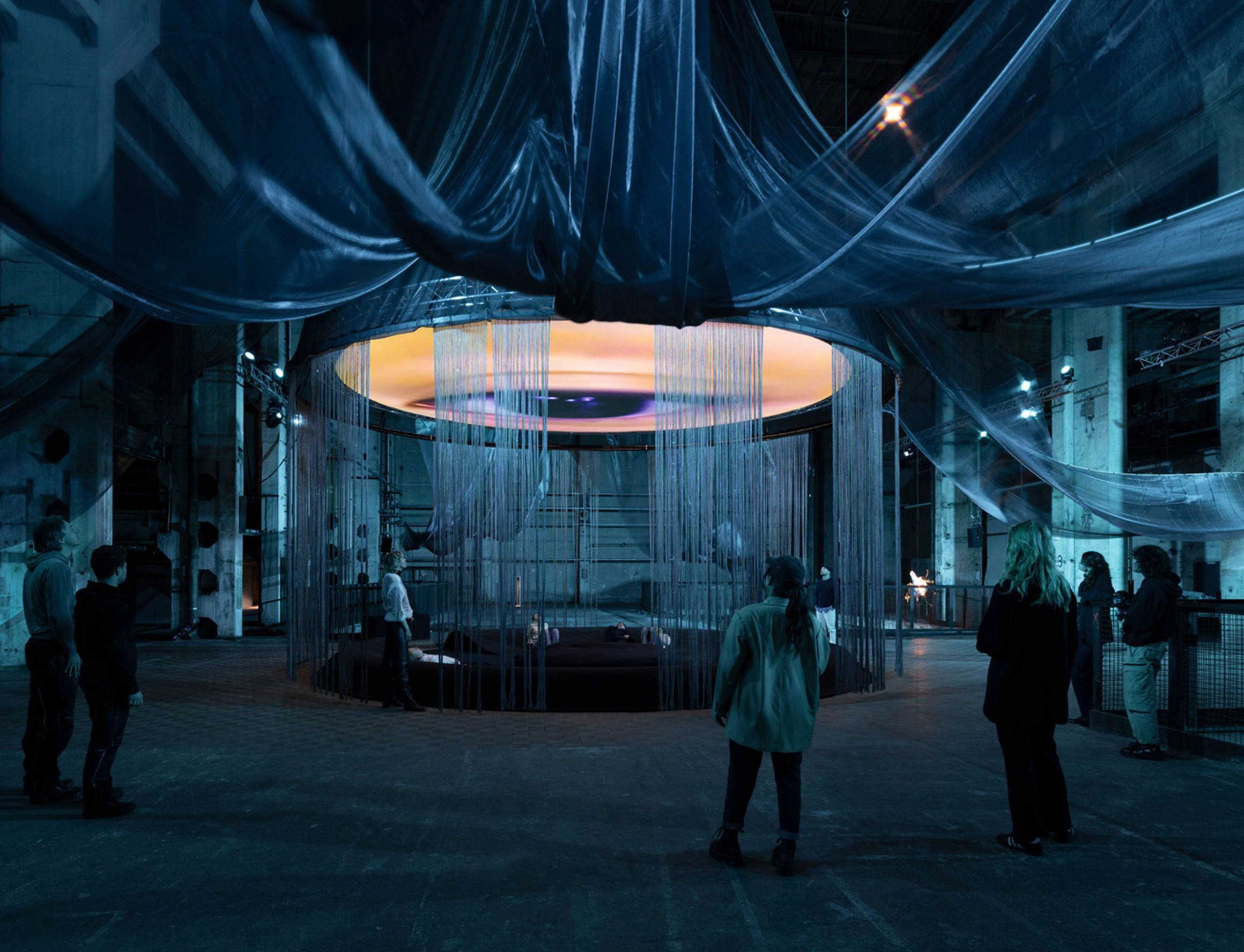
One of the most anticipated openings is Laure Prouvost: We Felt a Star Dying at the Grand Palais in Paris (June 10–July 26, 2026). The French artist, known for her playful yet philosophical installations, tackles quantum physics in a sprawling exhibition featuring kinetic sculptures, videos, and immersive environments. A centerpiece is The Beginning, a large-scale flower-like kinetic work that evokes ephemerality and infinitude. Prouvost’s ability to make complex scientific concepts tactile and emotional offers a refreshing counterpoint to more traditional summer fare. For deeper insight into her practice, see this Lisson Gallery feature on her recent projects.
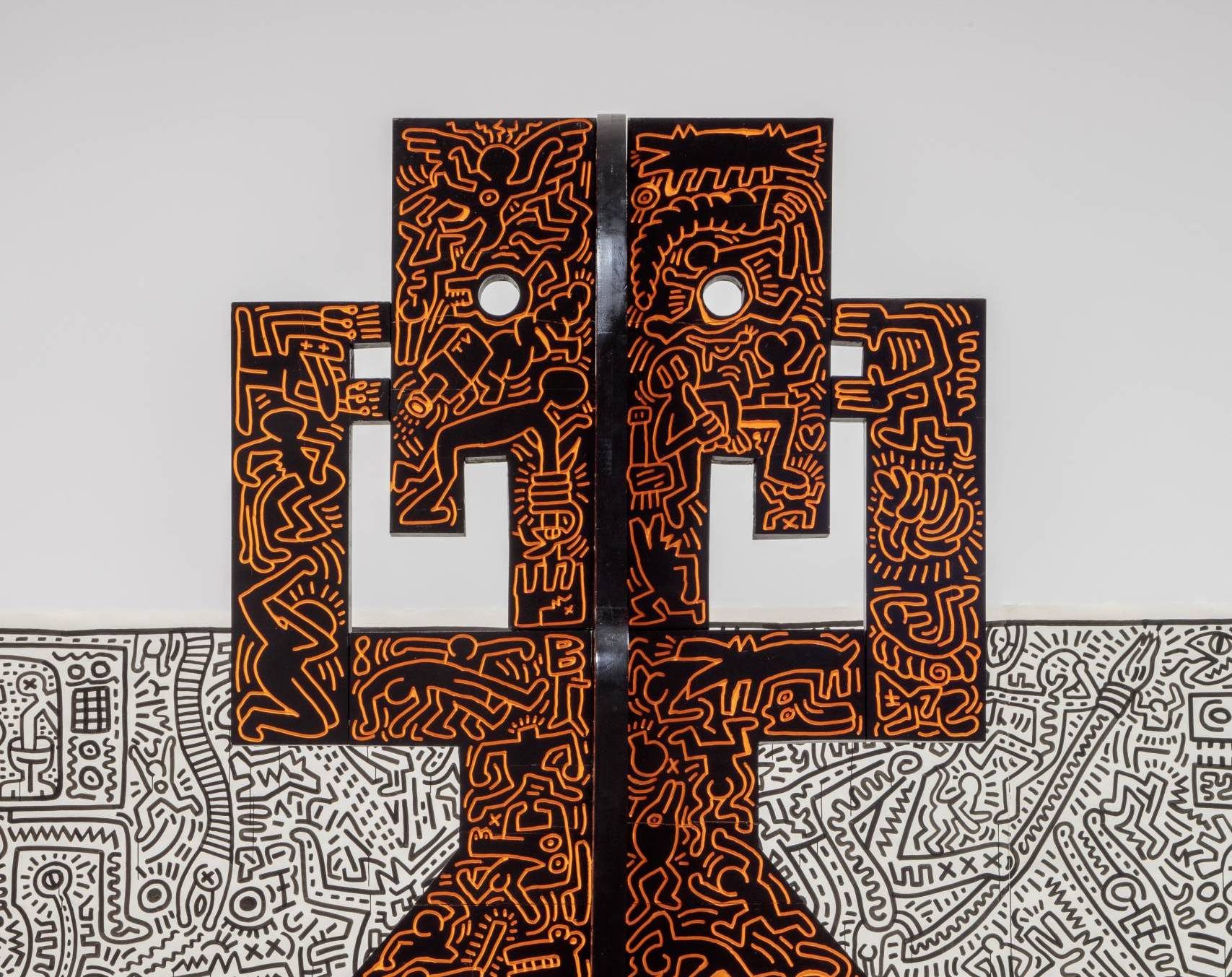
Across the Atlantic, Keith Haring in 3D at Crystal Bridges Museum of American Art in Bentonville, Arkansas (June 6, 2026–January 25, 2027) redefines our understanding of the 1980s icon. While Haring is best known for his vibrant two-dimensional murals and subway drawings, this exhibition spotlights his sculptural output—masks lined with dancing figures, striped elephant-like forms, and even a Buick covered in his signature creatures. The show coincides with a major expansion of the museum’s galleries, making it a destination event. Haring’s playful yet socially conscious work continues to resonate, as explored in official coverage from the museum.
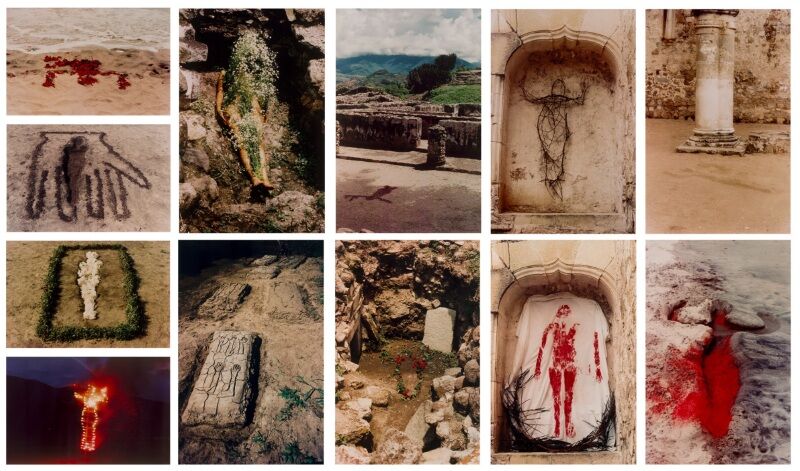
Ana Mendieta’s long-awaited retrospective at Tate Modern in London (July 15, 2026–January 17, 2027) stands as one of the season’s cultural high points. The Cuban-American artist’s Silueta series—ephemeral earth-body works created in landscapes across the U.S., Mexico, and Cuba—remains profoundly influential. The Tate show includes newly remastered films, early paintings, late sculptures, and many pieces never before exhibited in the UK. Mendieta’s exploration of identity, displacement, and the female body in relation to nature feels especially timely amid ongoing conversations about migration and environmental connection. Book tickets and learn more via the official Tate Modern page.
In Asia, Carsten Höller brings his signature experiential approach to Beijing’s UCCA Center for Contemporary Art. Details remain partly under wraps, but the show promises large-scale interactive installations that test perception and human behavior—hallmarks of the artist’s practice. Höller’s work often turns viewers into active participants, creating memorable encounters that linger long after the visit.
London’s Tate Modern also hosts Julio Le Parc: Light. Colour. Action (June 11, 2026–May 3, 2027), a major survey celebrating the Argentine artist’s centenary. Featuring around 60 works with Plexiglas, light, and movement, the exhibition returns to Le Parc’s experimental roots in kinetic and Op art. His pieces challenge how we perceive color and motion, offering interactive delight for visitors of all ages.
Other notable stops include Qillaniq at the National Gallery of Canada in Ottawa (June 12–September 20, 2026), a powerful survey of contemporary Indigenous artists from Inuit Nunaat, Sápmi, and Denendeh. The exhibition celebrates love and resilience as responses to historical and ongoing challenges, highlighting voices that are essential to understanding land and identity today.
In the Northeastern United States, two new recurring exhibitions launch: the Medina Triennial in Medina, New York (June 6–September 7, 2026) and the Aldrich Decennial at the Aldrich Contemporary Art Museum in Ridgefield, Connecticut (June 7, 2026–January 10, 2027). The former, themed “All That Sustains Us,” features 39 artists exploring sustainability, while the latter focuses on Connecticut-connected creators under the title “I Am What Is Around Me.” These initiatives signal growing regional ambition in the U.S. art scene.
Further highlights span continents. Cao Fei: Testimonies to the Near Future at Kunstmuseum Basel (May 30–October 11, 2026) presents the largest European survey of the Chinese artist’s work, blending documentary, video, and installation to scramble past, present, and future. In Toronto, Diego Marcon: The Bubble Boy at the Art Gallery of Ontario (June 6–October 4, 2026) delivers unsettling yet compelling video works that warp domesticity. And in England, Chico da Silva: And the Soul Is for the Birds at Nottingham Contemporary (June 6–September 6, 2026) offers the first major European survey of the Brazilian artist’s collaborative workshop model and vibrant paintings inspired by Indigenous traditions.
Manifesta, the roving European biennial, lands in Germany’s Ruhr region this summer, bringing site-specific projects that engage with the area’s industrial history and transformation. Meanwhile, ongoing major events like the Venice Biennale provide a global backdrop for summer travel.
Beyond individual shows, the 2026 summer season reflects broader trends: renewed interest in land art and ecological themes, the integration of technology into experiential installations, and a commitment to amplifying underrepresented voices. Collectors, curators, and enthusiasts will find ample opportunity for discovery, whether through major museum retrospectives or emerging biennial formats.
Travelers should plan ahead—many exhibitions have timed tickets, and combining European stops (Paris, London, Brussels) with U.S. destinations creates memorable art pilgrimages. For those unable to travel, many institutions offer robust digital programming, virtual tours, and high-resolution documentation online.
In an era of rapid change, these exhibitions remind us of art’s power to provoke thought, foster connection, and imagine new futures. Summer 2026 is shaping up to be a season of spectacle worth experiencing firsthand.
FAQ
Q1: What is the most anticipated exhibition of summer 2026? A: Many critics highlight the Ana Mendieta retrospective at Tate Modern as a standout, given its depth and the artist’s enduring influence.
Q2: When does the Keith Haring in 3D exhibition open? A: It opens on June 6, 2026, at Crystal Bridges Museum of American Art and runs through January 2027.
Q3: Are there major biennials happening this summer? A: Yes—Manifesta in Germany’s Ruhr region and the new Medina Triennial and Aldrich Decennial in the U.S. The Venice Biennale remains open for much of the season as well.
Q4: Which exhibitions focus on Indigenous perspectives? A: The National Gallery of Canada’s Qillaniq and several shows addressing land and history, including works by Carolina Caycedo and Tomás Saraceno, emphasize these themes.
Q5: How can I plan a summer art trip? A: Check museum websites for tickets and combine cities like Paris and London for efficiency. Many venues offer summer membership deals and extended hours.
Q6: Are the linked websites current and active? A: Yes—all provided links were verified as live and relevant as of May 2026, directing to official museum pages and authoritative sources.
Q7: Will more exhibitions be added later? A: Art calendars evolve; follow ARTnews or individual museum sites for updates throughout the season.