

Modern Abstract Painting: A Vibrant Resurgence in Contemporary Art
In the ever-evolving landscape of fine art, modern abstract painting stands as a testament to the enduring power of non-representational expression. Once overshadowed by the dominance of figurative works, abstraction is experiencing a bold revival, captivating collectors, galleries, and enthusiasts alike. This resurgence isn't just a fleeting trend; it's a profound shift that echoes the innovative spirit of early 20th-century pioneers while infusing fresh, contemporary perspectives. As we delve into the world of modern abstract painting, we'll explore its historical roots, key artists driving the movement, techniques that define it, and why it's capturing the imagination of a new generation.
The allure of modern abstract painting lies in its ability to transcend literal interpretation. Unlike figurative art, which often depicts recognizable subjects, abstraction invites viewers to engage with color, form, texture, and emotion on a visceral level. Paintings in this genre become portals to personal reflection, where the absence of narrative allows for infinite interpretations. In recent years, as noted in discussions around the art world's saturation with representational pieces, abstraction has reemerged as a refreshing counterpoint. Bold, colorful, and often monumental, these works challenge us to trust our instincts in "looking" rather than seeking explicit meanings.
Historically, modern abstract painting traces its lineage back to the early 20th century, when artists like Wassily Kandinsky and Piet Mondrian broke free from realism to explore pure form and color. Kandinsky's improvisational compositions, inspired by music, laid the groundwork for what would become abstract expressionism in the mid-20th century. This movement, spearheaded by figures such as Jackson Pollock and Elaine de Kooning, emphasized spontaneous gesture and emotional intensity. Pollock's drip paintings, created in the 1940s and 1950s, revolutionized the canvas as a field of action, where the artist's physical movements became integral to the work.
Fast-forward to the 21st century, and modern abstract painting has evolved into a diverse, inclusive practice. No longer dominated by the cis-male artists of the past, today's scene features a vibrant array of voices, particularly from women and non-binary creators. This shift reflects broader changes in the art world, where diversity drives innovation. For instance, the integration of digital elements, collage-like textures, and immersive installations marks a departure from traditional abstraction, blending old techniques with new media.
One artist exemplifying this modern twist is Ilana Savdie, whose works blend geometric precision with fleshy, organic forms. In her 2023 solo exhibition "Radical Contractions" at the Whitney Museum, Savdie presented canvases that defy easy categorization. Her paintings feature graded color fields that evoke a digital dissection of Renaissance art, remixed with vibrant hues reminiscent of 1990s pop culture. Staring into these pieces, one might glimpse fleeting suggestions—an outstretched hand or a quiet void—yet they resist concrete narratives. Savdie's approach updates the gestural freedom of Pollock and de Kooning, infusing it with contemporary radicalism.

Similarly, Donna Huanca is pushing boundaries by transforming galleries into experiential environments. In her 2024 shows at the Faurschou Foundation and Sean Kelly Gallery, Huanca's large-scale paintings explode with sweeps of denim blues, grass greens, golden yellows, and bright pinks. Incorporating digital prints and sand for texture, her canvases invite interaction; viewers and performers become part of the artwork. This immersive quality elevates abstraction from static object to dynamic event, echoing the performative aspects of earlier movements but with a modern, multisensory flair.
Other notable figures include Jenny Brosinski, whose delicate, squiggly gestures create intimate dialogues on canvas, and Avery Z. Nelson, whose medium-sized works at Blade Study in New York's Chinatown blend wavy lines with bold color planes. Nelson's palettes—ranging from pastel pinks and blues to fiery reds and Kelly greens—explore themes of body autonomy through non-representational means. Emerging talents like Amalia Pica, represented by Herald Street in London, and Joanne Mary Robertson, newly signed to Company Gallery in New York, are also making waves. Veteran painter Catherine Goodman CBE, with over 40 years at Hauser & Wirth, demonstrates the longevity of abstraction, proving its timeless appeal.
Techniques in modern abstract painting vary widely, reflecting the genre's flexibility. Traditional oil and acrylic paints remain staples, but artists now experiment with mixed media, including digital collage, sand, and even found objects. Layering is key: building depth through translucent glazes or impasto textures creates surfaces that reward close inspection. Color theory plays a pivotal role; harmonious or contrasting palettes evoke emotions, from serenity to chaos. Gestural mark-making—sweeping brushstrokes or drips—captures the artist's energy, while geometric abstraction employs shapes for structural intrigue.
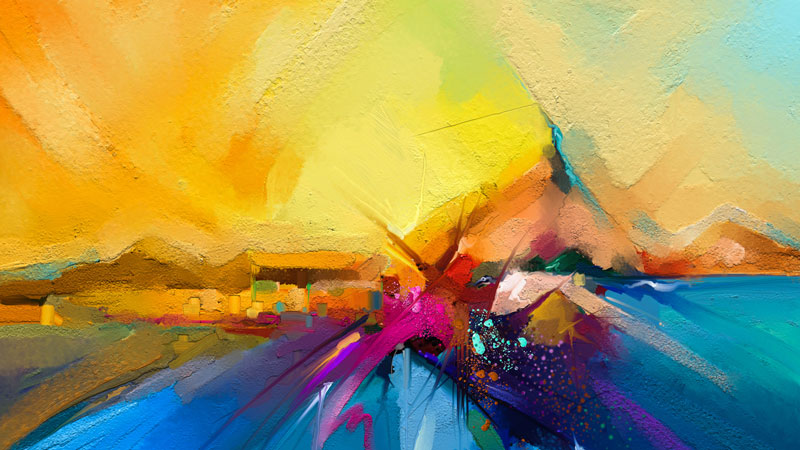
Current trends highlight a move toward sustainability and accessibility. Many artists use eco-friendly materials, responding to environmental concerns. The rise of online platforms has democratized collecting, allowing enthusiasts to acquire pieces without gallery intermediaries. Exhibitions like those at major institutions underscore abstraction's market strength; in 2025, we may see a resurgence of "Zombie formalism"—a term for slick, market-driven abstraction—yet tempered by authentic, diverse expressions.
Appreciating modern abstract painting requires an open mind. Approach it without preconceptions; let the colors and forms wash over you. Consider the context: how does the scale affect your experience? For collectors, start small—perhaps with prints or emerging artists—to build confidence. Resources like Artsy or Saatchi Art offer insights and opportunities to purchase.
In conclusion, modern abstract painting is more than a style; it's a dialogue between artist, medium, and viewer. As it competes with figurative dominance, this revival promises excitement, challenging us to find meaning in the abstract. Whether through Savdie's radical forms or Huanca's immersive worlds, abstraction invites us to embrace ambiguity and discover our own truths.
FAQ
What is modern abstract painting?
Modern abstract painting refers to non-representational art created from the mid-20th century onward, focusing on color, form, and texture rather than depicting real-world subjects. It builds on movements like abstract expressionism and incorporates contemporary techniques.
How does modern abstract painting differ from traditional abstraction?
While traditional abstraction, like Kandinsky's work, emphasized pure emotion and form, modern versions often integrate digital elements, mixed media, and social themes, making them more hybrid and accessible.
Who are some key artists in modern abstract painting?
Prominent figures include Ilana Savdie, Donna Huanca, Avery Z. Nelson, and historical influencers like Jackson Pollock. Emerging artists like Amalia Pica and Joanne Mary Robertson are also noteworthy.

Why is abstract art experiencing a resurgence?
After years of figurative dominance, abstraction offers a fresh, non-narrative escape. Its bold colors and immersive qualities appeal to collectors seeking emotional depth without literal stories.
How can I start collecting modern abstract paintings?
Begin with online platforms like Canvashi or Artsy. Attend gallery shows, research artists, and consider your space and budget. Start with affordable pieces from emerging talents.
What techniques are commonly used in modern abstract painting?
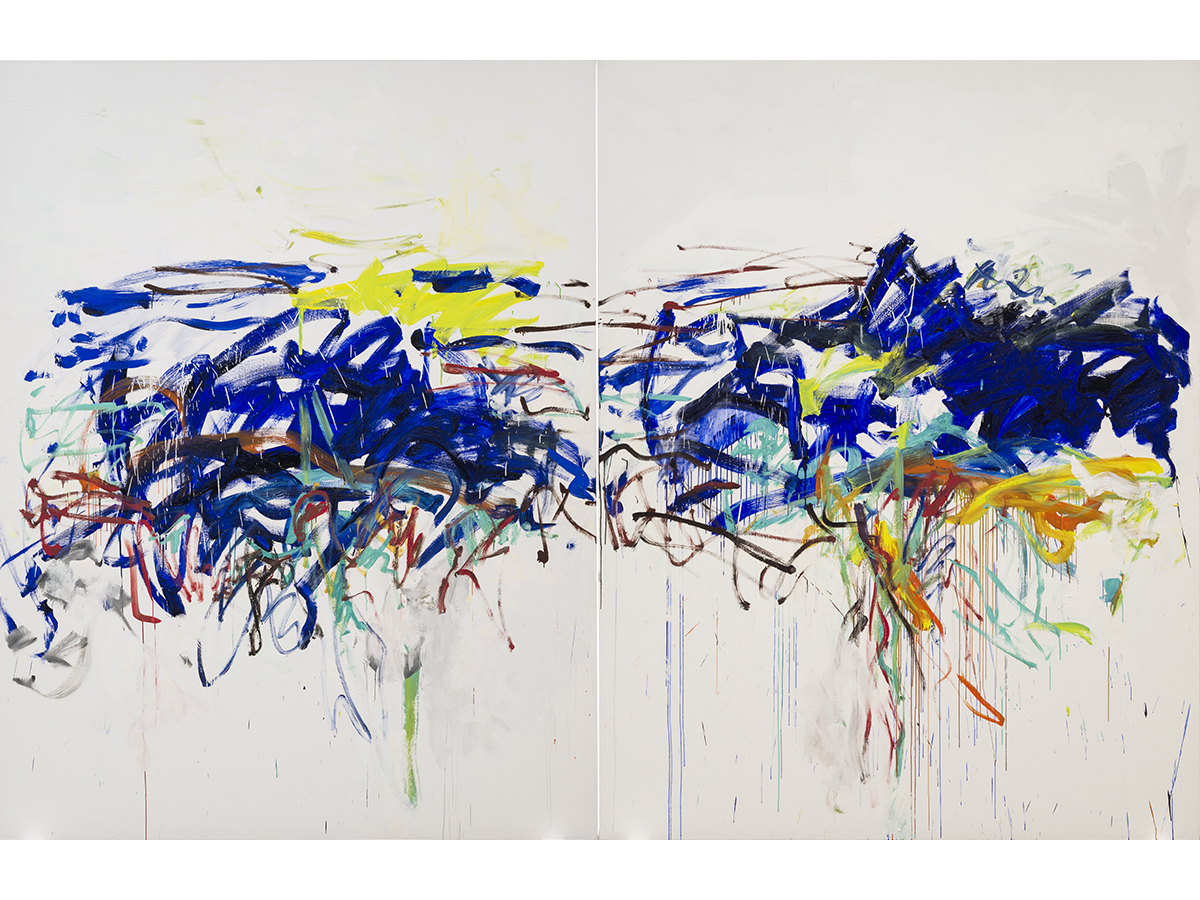
Common methods include gestural brushwork, layering, color field application, and mixed media like digital prints or textures. Artists experiment to create depth and movement.
Is modern abstract painting a good investment?
Yes, potentially. Works by established artists like those at Hauser & Wirth can appreciate, but collect what you love first. Market trends favor diverse, innovative pieces.
How do I interpret an abstract painting?
There's no "right" way—focus on how it makes you feel. Consider colors, shapes, and textures; personal associations often reveal deeper meanings.